“Takbeer” – your voice with those of the brothers and sisters around you come together in a resounding “Allahu Akbar!”; there is a surge of energy and you feel so uplifted, your heart is full of love for Allah Subhanahu wa Ta’ala, and His Messenger (sal Allahu ‘alayhi wa sallam). Your pride in Islam is renewed and you just love all your brothers and sisters, you’re filled with humility and zeal, you want to take action, pray with the utmost sincerity, and attain Jannah. With a bursting smile and glowing face, you say your salaams and head home. Before getting to sleep you say your adhkar and you’re still smiling, thinking of the lugh gardens in Paradise, and the delicious food that will be served to you on silver platt…
Beep, beep, bee-beep, before you know it, it is another Monday morning, full of dreary work and demanding people. All the inspiration and motivation of last night’s lecture seem to be a dream. Sounds familiar?
Our generation is blessed to be in an age where gaining Islamic knowledge is literally a click away, we can listen to our favorite shuyookh wherever and whenever. Lectures and courses have a bit of humour and their content has become more relatable and applicable – alhamdulillah, it is all very beneficial. Unfortunately, the sudden rush of imaan we feel right after hearing these speeches is quick to escape us when we slip back into what we call “reality”: in other words, our work, school, and family life.
To combat this type of withdrawal, it is first important to note that our Islam is our way of life, and it is our reality, and therefore we should integrate worldly work into our Islamic life, not the other way around. Secondly, the lectures, classes, and seminars we attend are bursting at the seams with inspiring quotes, lessons, and practical tips, and we cannot retain most of what we hear.
Here are a couple of tips to help us implement what we learn:
• Take Notes
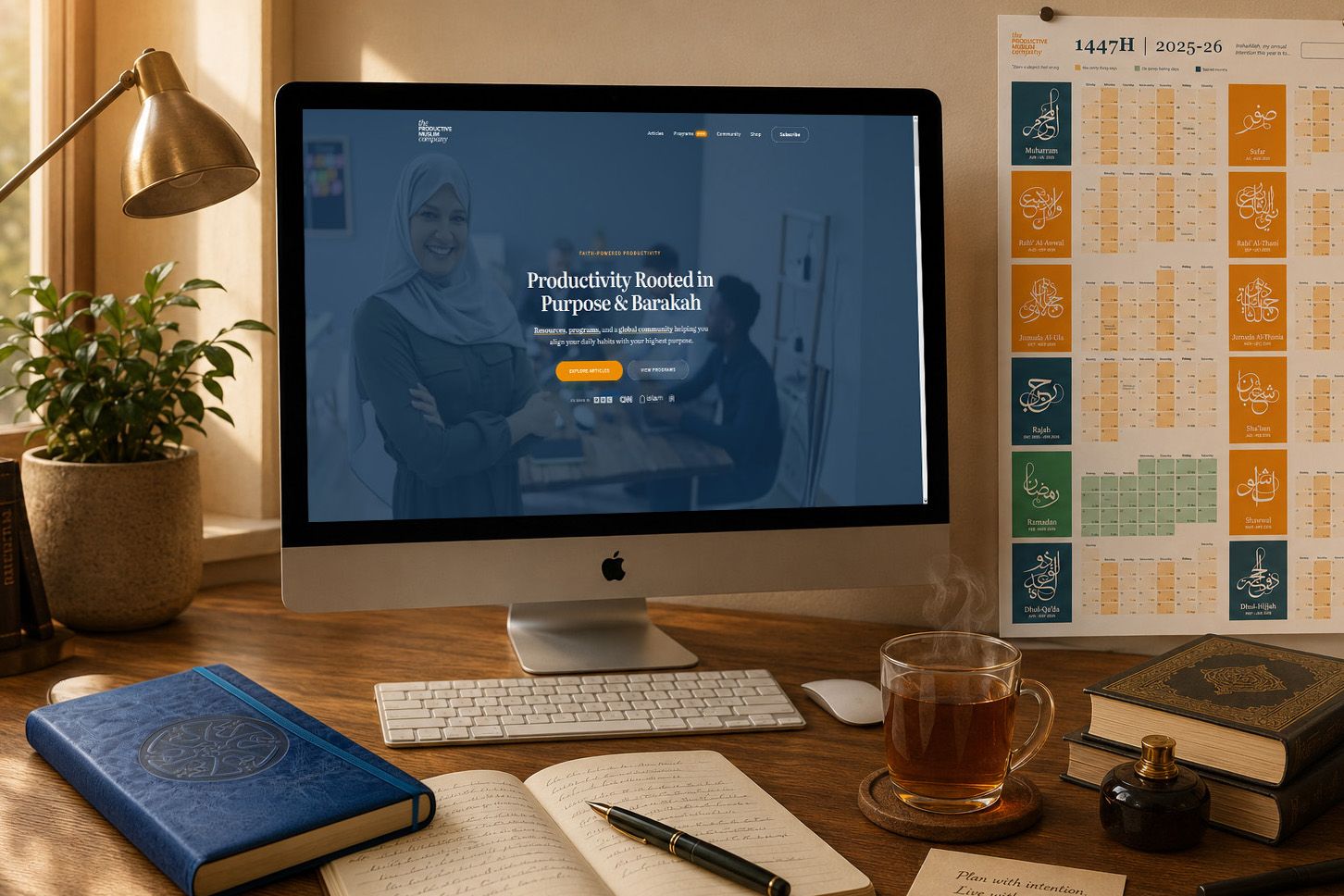
Even if you do not like writing, or just want to absorb what the speaker is saying, you won’t be able to properly benefit if you cannot refer back to the content at a later date. There will be knowledge, quote, and thoughts that you will want to remember later on. The best thing to do is to buy a small notebook and keep it with you whenever you attend a lecture or listen to one on your ipod while commuting. This will allow you to transcribe it into your brain and will be readily available for reading as needed.
• Stick Note Reminders
Keep these motivational messages in sight by writing them on sticky notes and placing them on your calendar, planner, computer screen, desk, fridge, etc. Reading these everyday will allow you to both remember how you felt when you first heard them, and will also allow you to reflect on them throughout your day. Also, add short du’a on notes like this – by simply reading these adhkar everday, they will effortlessly enter your memory.
• Small Deeds=Big Rewards


A key part of being productive, is about focusing your mind on what’s beneficial and de-cluttering it from unproductive thoughts.